May 4, 2026
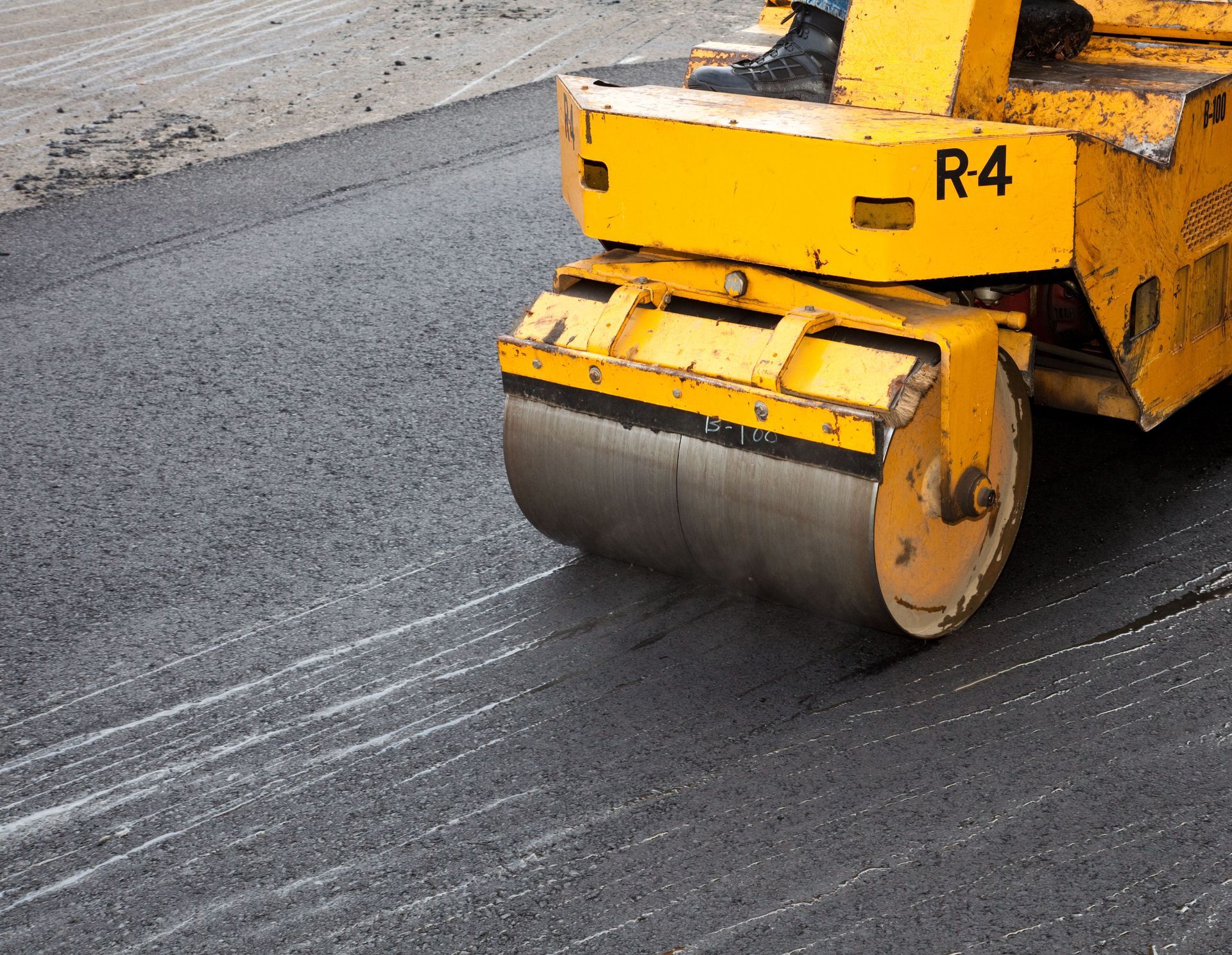
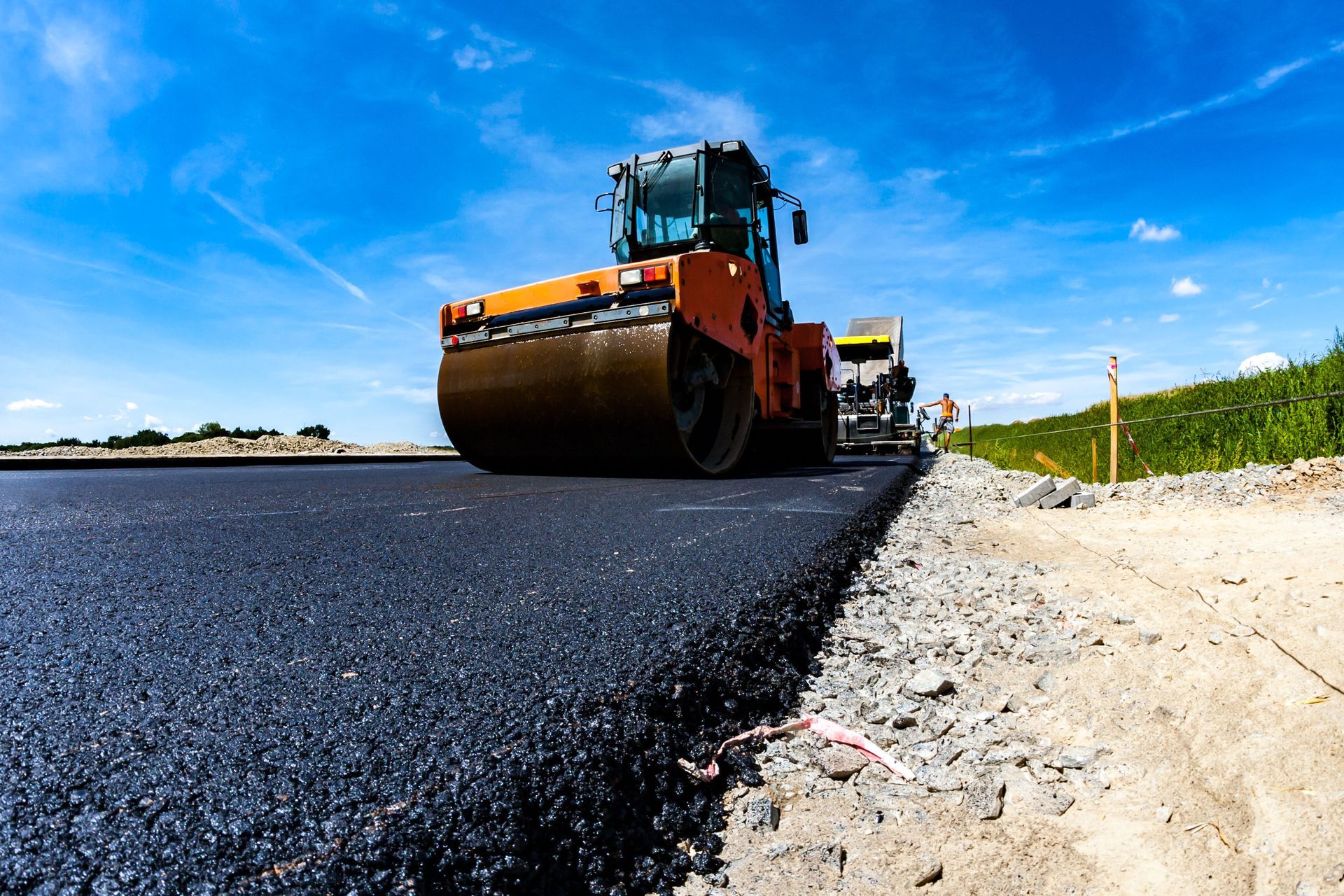
In the vast network of American infrastructure, asphalt continues to define how we build, connect, and maintain transportation systems. According to the National Asphalt Pavement Association, approximately 94% of U.S. roadways are surfaced with asphalt, underscoring its dominance and reliability. From highways to neighborhood streets, we rely on materials and methods that deliver performance, longevity, and cost efficiency. Increasingly, that includes the integration of asphalt reinforcement systems to extend pavement life and improve structural integrity. Asphalt's ubiquity on roads is a testament to its reliability and adaptability across various terrains and climates. It offers an ideal balance between durability and maintenance costs, making it the preferred choice for infrastructure experts. Furthermore, the versatility of asphalt allows for customized solutions that meet the specific needs of different projects, enhancing its role as a fundamental component in modern transportation networks.
1. Understand The Evolution Of Asphalt In Infrastructure
Early road construction depended on materials like gravel, stone, and timber, which often failed under growing traffic demands. As cities expanded and transportation needs reinforced, these materials proved inconsistent and costly to maintain. Asphalt emerged as a transformative solution, offering smoother surfaces and better durability across climates. Today, we enhance that legacy by integrating asphalt reinforcement systems into modern builds, improving resilience from the ground up. These systems are designed to tackle the challenges of contemporary road use, ensuring roads are safer and less prone to failure. The ongoing evolution in asphalt technology reflects the constant search for improved infrastructure solutions. The incorporation of historical knowledge with cutting-edge technology propels asphalt to meet the evolving requirements of modern infrastructure effectively.
2. Recognize The Advantages Of Modern Asphalt Technology
Advancements in asphalt technology have significantly elevated performance expectations across residential and commercial applications. Polymer-modified asphalt, recycled materials, and improved binders contribute to longer-lasting surfaces with reduced maintenance cycles. These innovations allow us to deliver consistent results for driveways, parking lots, and large-scale infrastructure projects. When combined with asphalt reinforcement systems, these technologies provide added tensile strength and resistance to cracking. This combination effectively counteracts the stresses introduced by increased traffic loads and weather variation. By leveraging modern asphalt technology, we can achieve a sustainable and cost-effective infrastructure solution. Continuous improvements maintain asphalt's status as a reliable engineering solution that rises to the challenges faced by contemporary infrastructure.
3. Evaluate Environmental Considerations In Asphalt Applications
Sustainability remains a critical factor in today's construction decisions, especially for large-scale paving projects. Asphalt production has historically required significant energy, but newer methods like warm-mix asphalt reduce emissions and fuel consumption. Reclaimed asphalt pavement (RAP) further minimizes environmental impact by reusing existing materials. Incorporating asphalt reinforcement systems also supports sustainability by extending pavement lifespan and reducing the frequency of full replacements. These systems not only enhance performance but also align with growing environmental consciousness. Environmental advancements present an opportunity for reducing the carbon footprint associated with road construction. This commitment to green advancements makes asphalt a responsible choice in crafting a sustainable future for the industry.
4. Apply Asphalt Solutions In Urban Infrastructure
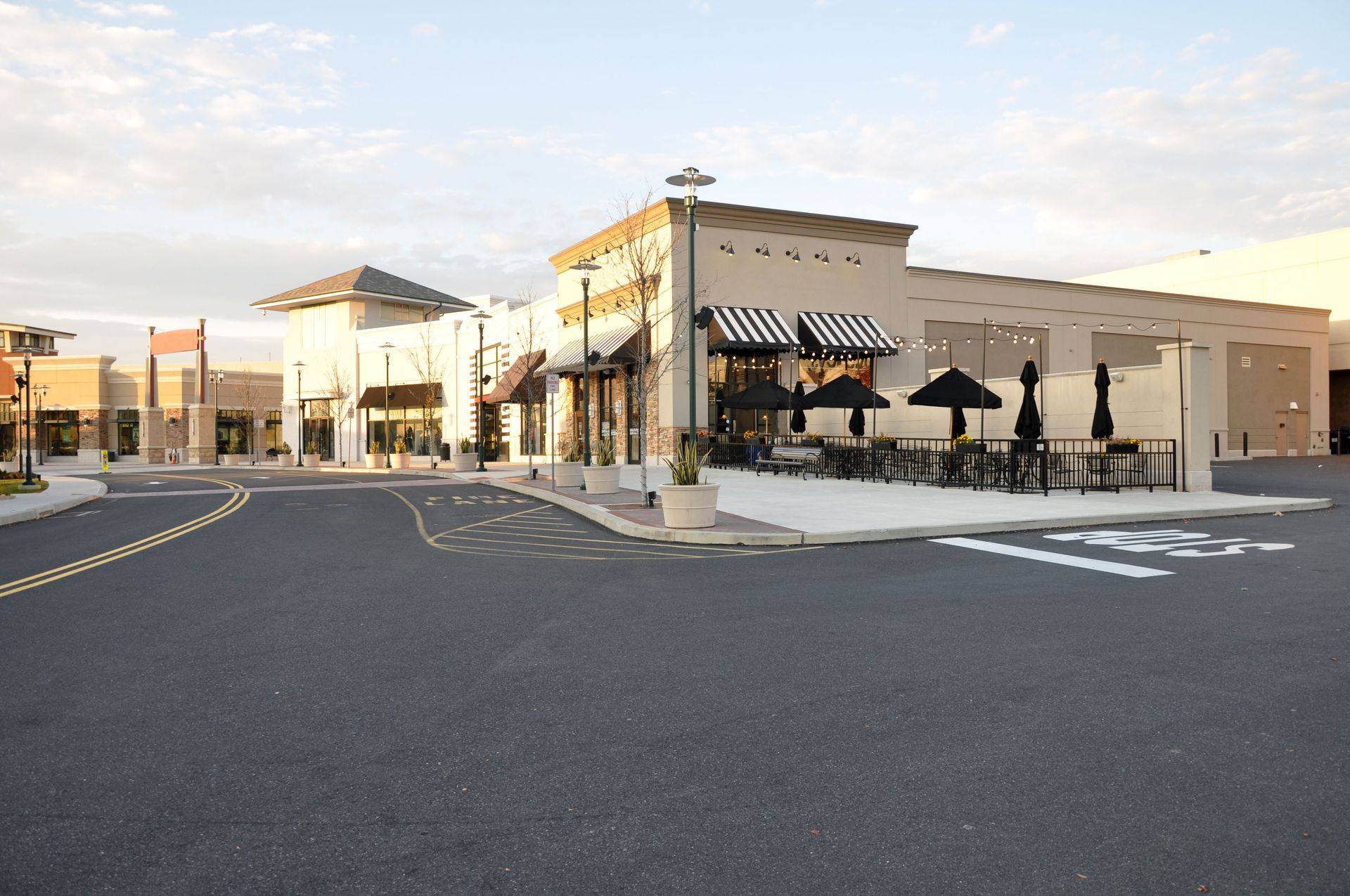
Urban environments demand materials that can handle high traffic volumes while remaining adaptable to constant change. Asphalt is widely used for city streets, sidewalks, and parking lots because of its flexibility and ease of repair. We can efficiently resurface or modify asphalt without major disruptions, which is essential in densely populated areas. Reinforcing these surfaces ensures they withstand repeated stress from traffic and utility work. This adaptability helps cities maintain infrastructure reliability despite fluctuating demands. Additionally, urban planners prioritize solutions that minimize inconvenience to both residents and commuters. As urban landscapes evolve, asphalt solutions continue to provide the durability and flexibility needed to ensure the seamless functioning of city infrastructure.
5. Strengthen Rural And Suburban Road Networks
In rural and suburban areas, durability and cost-effectiveness are key priorities for infrastructure development. Asphalt provides a practical solution for long stretches of roadway, offering reliable performance under varying weather conditions. Its smooth surface improves safety while reducing vehicle wear and maintenance costs for residents. By integrating asphalt reinforcement systems, we enhance load distribution and prevent premature deterioration in lower-maintenance regions. The reinforcement systems are pivotal in safeguarding against the challenges of rural climates. Consistent updates to these regions' roads ensure accessibility and reliability for years to come. Tailored strategies ensure that rural and suburban road networks remain resilient and effective, supporting local communities and economies.
6. Improve Residential And Commercial Surfaces
Beyond public roads, asphalt plays a central role in residential and commercial applications, including driveways, patios, and hardscaping projects. Property owners value asphalt for its clean appearance, affordability, and quick installation timelines. For commercial and industrial properties, it delivers the durability required to handle heavy equipment and frequent use. We incorporate asphalt reinforcement systems into these projects to prevent cracking and rutting, ensuring long-term performance and value. Providing robust surface solutions consistently enhances property value and curb appeal. Furthermore, reinforced systems bolster the ability to handle diverse environmental conditions. This integration underscores the importance of asphalt in delivering reliable solutions that align with the dynamic needs of both residential and commercial environments.
7. Integrate Smart And Sustainable Innovations
The future of asphalt lies in its ability to adapt to evolving infrastructure demands and environmental challenges. Smart asphalt technologies, including embedded sensors and self-healing materials, are redefining how we monitor and maintain roadways. Porous asphalt solutions improve water management, reducing runoff and enhancing safety during heavy rainfall. These innovations become even more effective when paired with asphalt reinforcement systems, which stabilize the structure and support advanced performance features. Smart technologies seek to marry performance with eco-friendly initiatives, paving the way for more sustainable urban planning. This approach positions communities to better manage resources while balancing technology advancement.
8. Maximize Economic And Long-Term Value
Asphalt remains one of the most cost-effective materials for infrastructure development, balancing upfront affordability with long-term savings. Its ease of maintenance and repair reduces lifecycle costs compared to alternative materials. Large-scale projects benefit from faster installation times, minimizing labor expenses and operational disruptions. When we utilize asphalt reinforcement systems, we further increase return on investment by extending pavement lifespan and reducing costly repairs. A strategic focus on long-term value supports municipalities in budgeting effectively with minimal disruptions. Efficient execution of infrastructure projects aids in bolstering local economic development. The strategic use of asphalt continues to drive economic success, providing sustainable infrastructural growth across regions.
Asphalt continues to serve as the backbone of American infrastructure, supporting everything from major highways to residential driveways. Its versatility, affordability, and proven performance make it an essential material across industries and environments. By embracing innovation and integrating advanced solutions, we ensure asphalt remains a reliable choice for modern construction demands. Understanding the historical strength of asphalt and its modern enhancements highlights its integral role in infrastructure. The commitment to furthering its development ensures it remains indispensable in future endeavors. Ultimately, the sustained innovation in asphalt promises a resilient and adaptable future for infrastructural developments worldwide.
For projects that demand durability, efficiency, and long-term value, Asphalt Fabrics & Specialties delivers the expertise and materials needed to get the job done right. Our focus on using cutting-edge technology ensures that each project is built with future demands in mind. Clients benefit from a commitment to quality and superior customer service, guaranteeing satisfaction every step of the way. This commitment to excellence empowers Asphalt Fabrics & Specialties to remain at the forefront of transformation within infrastructure projects.