July 2, 2026
Commercial pavement represents a significant investment, whether it supports a retail center, industrial facility, municipal roadway, or large parking area. Because these surfaces endure daily traffic, changing weather, and heavy loads, owners often look for practical ways to extend pavement life while controlling maintenance expenses. One solution that continues to gain attention is paving fabric installation, which reinforces asphalt overlays and helps protect the underlying structure from premature deterioration. This approach is increasingly used in long-range asset management planning for both public and private infrastructure portfolios.
Rather than relying solely on resurfacing, property owners can incorporate paving fabric into a preventative maintenance strategy that promotes longer-lasting pavement performance. Understanding the installation process, its benefits, and the situations where it delivers the greatest value can help commercial decision-makers make informed investments. It also helps establish expectations for performance, scheduling, and lifecycle outcomes.
Identifying the Purpose of Paving Fabric
How the Material Supports Asphalt
Paving fabric is a specialized textile placed between an existing asphalt surface and a new asphalt overlay. Once properly installed, it creates a layer that strengthens the pavement system while helping limit moisture infiltration. This additional reinforcement allows the surface to better withstand the stress caused by vehicle traffic and environmental conditions. It also helps reduce stress concentration points that typically lead to early surface failure.
Instead of functioning as a standalone repair, paving fabric installation works alongside quality asphalt paving to improve the durability of the finished pavement. The added support distributes stress more effectively throughout the pavement structure, reducing the likelihood of early deterioration. Over time, this can translate into more consistent surface performance and fewer structural weak points.
The Different Types Available
Commercial property owners may encounter more than one type of paving fabric when discussing project specifications. According to LinkedIn, these materials generally fall into two primary categories: woven and non-woven, each serving important roles in roadway construction depending on project requirements. Contractors evaluate existing pavement conditions, anticipated traffic loads, and environmental factors before selecting the most appropriate option. Selection also considers how the material will interact with asphalt binders during installation.
Choosing between these types influences how the reinforcement layer performs under stress. Woven fabrics tend to provide structured tensile strength, while non-woven options often emphasize flexibility and absorption characteristics. Both are designed to improve system performance when properly integrated into the pavement profile.
Locations Where Installation Provides the Most Value
Many commercial environments place exceptional demands on asphalt surfaces. Distribution centers, shopping centers, business parks, municipal streets, airport service roads, industrial facilities, and large parking lots all experience repetitive loading that accelerates pavement fatigue. These conditions often result in reflective cracking and surface deformation if left untreated.
In these settings, paving fabric installation helps create a stronger foundation for asphalt overlays. By reinforcing vulnerable areas before deterioration becomes severe, owners can improve pavement longevity while maintaining safer and smoother driving surfaces for employees, customers, tenants, and visitors. This is especially important in high-traffic corridors where downtime directly impacts operations.
Understanding What Happens During Installation
Evaluating Existing Pavement Conditions
Every successful project begins with a comprehensive pavement assessment. Contractors examine the existing asphalt for structural damage, surface cracking, drainage concerns, and other signs of deterioration. This evaluation determines whether repairs should be completed before new materials are installed. It also helps prioritize areas that require more intensive preparation.
A detailed inspection also allows contractors to identify conditions that could reduce the effectiveness of the overlay if left unaddressed. Proper preparation creates a stable base that supports better long-term results. In many cases, this step determines the overall success of the rehabilitation strategy and helps avoid premature failure.
Preparing the Surface Before Installation
Surface preparation is one of the most important phases of the project. Existing cracks, isolated failures, or distressed sections may require repair before work proceeds. Cleaning the pavement removes debris, dirt, moisture, and loose material that could interfere with proper adhesion. This step ensures the bonding surface is consistent and reliable.
Once preparation is complete, contractors apply a tack coat that allows the fabric to bond securely to the existing pavement. Careful placement minimizes wrinkles, gaps, and overlaps, ensuring the reinforcement layer performs as intended after the new asphalt overlay is installed. Proper alignment also helps ensure load transfer remains uniform across the treated area.
Completing the Overlay System
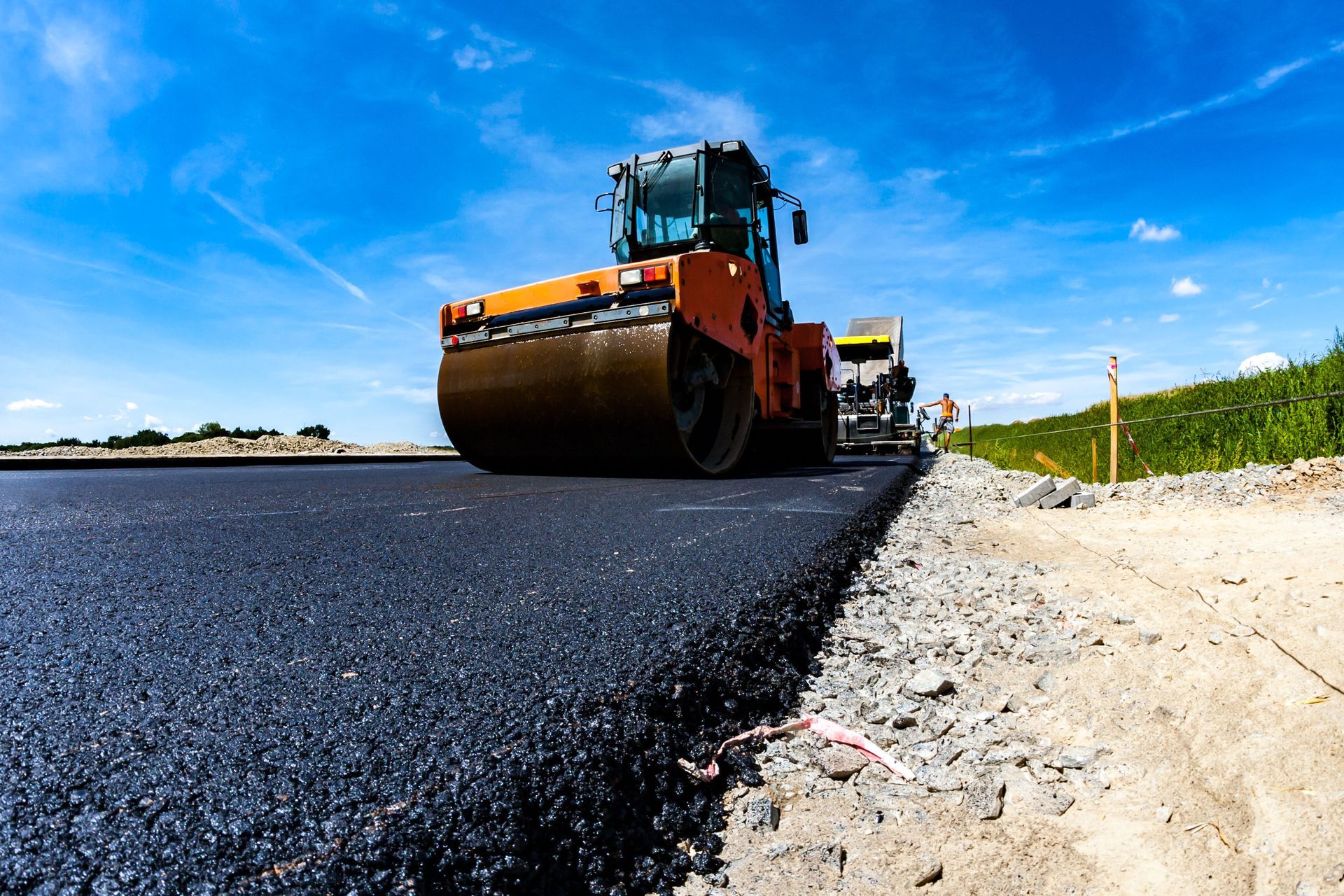
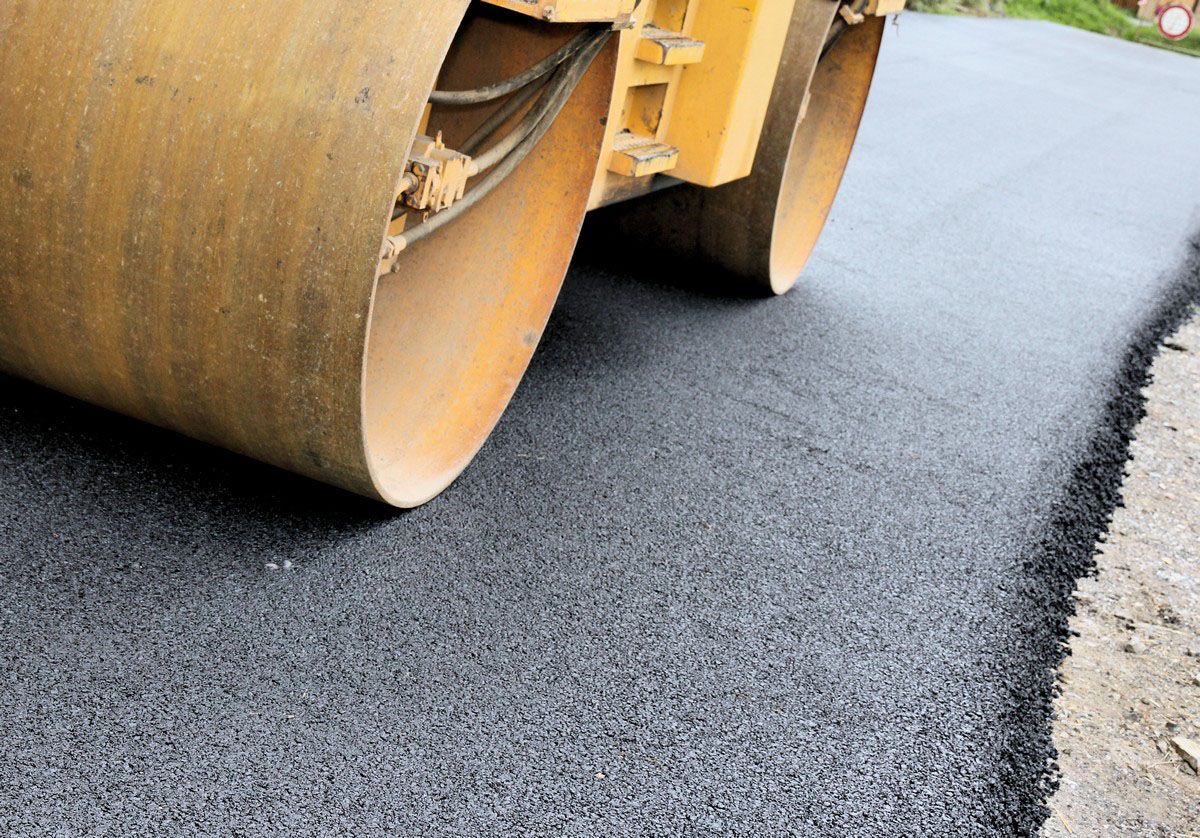
After the fabric has been positioned correctly, crews place the asphalt overlay directly above it. The finished pavement appears similar to a traditional overlay, but the reinforcement beneath the surface provides additional structural benefits that are not immediately visible. This hidden layer becomes active as the pavement is subjected to traffic loads.
Because paving fabric installation becomes part of the pavement system itself, commercial owners benefit from protection that continues working long after construction has been completed. When performed by experienced professionals using proper installation methods, the finished surface can better resist many common causes of pavement deterioration. It also contributes to a more predictable performance profile over time.
Recognizing the Benefits for Commercial Property Owners
Reducing Moisture-Related Damage
Water remains one of asphalt pavement's greatest enemies. Even small amounts of moisture entering through surface cracks can weaken the underlying base, contributing to settlement, cracking, potholes, and structural failure over time. Freeze-thaw cycles further intensify this damage by expanding trapped moisture within the pavement structure.
One of the primary advantages of paving fabric installation is its ability to create a moisture-resistant barrier beneath the asphalt overlay. Limiting water infiltration helps preserve the pavement structure, reducing the damage associated with repeated rainfall, snow, and seasonal freeze-thaw cycles. Keeping moisture out also helps maintain the integrity of the underlying materials that support the pavement, which is critical for long-term stability.
Extending Service Life and Lowering Maintenance Costs
Commercial organizations often focus on life-cycle costs rather than simply minimizing initial construction expenses. Although preventative measures require an upfront investment, they frequently reduce repair frequency over the pavement's lifespan. This shift in cost structure can significantly improve budgeting predictability.
Because reinforced pavement is generally better equipped to resist reflective cracking and structural fatigue, owners may experience a reduced need for maintenance. Smaller repair budgets, fewer emergency patching projects, and less disruption to daily operations all contribute to a more predictable maintenance program. For many organizations, paving fabric installation becomes an effective way to maximize the value of resurfacing projects while postponing more expensive reconstruction work. Over time, this can free up capital for other infrastructure needs.
Supporting Reliable Performance in Demanding Environments
Commercial pavement must perform consistently despite continuous traffic and changing environmental conditions. Delivery vehicles, buses, passenger cars, and heavy equipment all place repeated stress on asphalt surfaces throughout the year. These stress cycles often lead to cumulative fatigue that reduces pavement performance.
When incorporated into a comprehensive pavement preservation strategy, paving fabric installation helps strengthen pavement against these ongoing demands. The reinforced structure is better positioned to resist crack propagation, maintain smoother driving conditions, and preserve the appearance of the property over an extended period. This added durability benefits businesses, municipalities, and property managers seeking dependable pavement performance with fewer interruptions for major repairs. It also supports safer surface conditions for end users.
Commercial pavement experiences constant wear, making preventative maintenance an essential part of protecting long-term investments. Reinforcing asphalt overlays with paving fabric offers an effective way to improve structural performance, reduce moisture intrusion, and slow the progression of surface damage before it becomes more costly to address. It also supports more efficient asset management strategies across large properties.
Whether managing municipal roads, industrial facilities, retail properties, or expansive parking areas, organizations can benefit from working with experienced professionals who understand proper pavement evaluation, preparation, and installation techniques. By incorporating paving fabric installation into a long-term maintenance strategy, commercial entities can extend pavement life, improve surface reliability, and better control maintenance expenses for years to come. If you're a commercial property owner interested in high-quality paving fabric solutions, reach out to Asphalt Fabrics & Specialties!